Fullwell Cross rubbish clearance guide for Barkingside homes
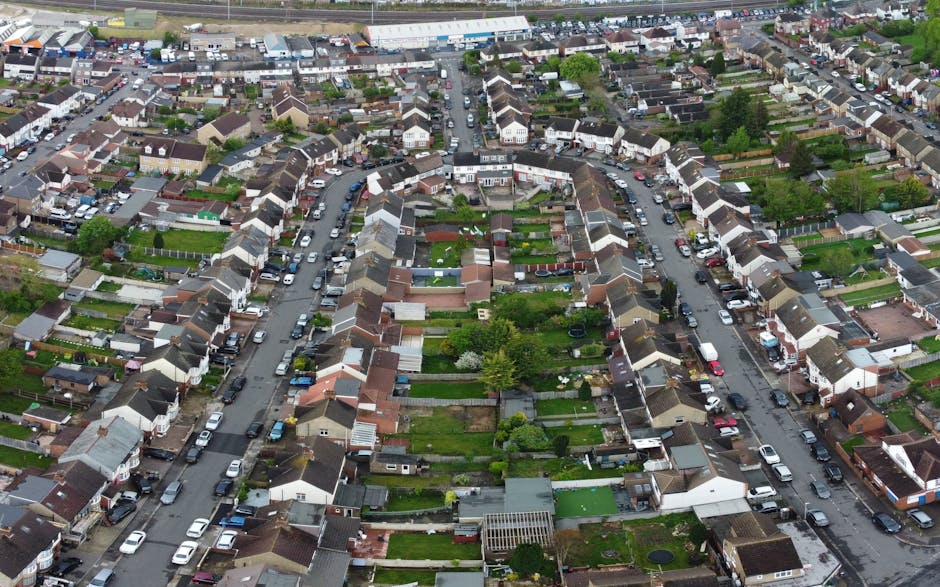
If you live near Fullwell Cross and you're staring at a room, loft, garden, or garage full of stuff that needs to go, you're not alone. A proper Fullwell Cross rubbish clearance guide for Barkingside homes should do more than tell you "get it removed" - it should help you decide what to clear, how to clear it safely, and what service makes sense for your space, your schedule, and your budget.
That matters because rubbish clearance is rarely just about rubbish. It's about reclaiming a hallway you can actually walk through, getting a spare room back, or dealing with a pile of broken furniture before it turns into a weekend-long headache. And, truth be told, it's much easier when you know the process before you start lifting bags and wondering whether the old wardrobe is going to fit through the stairwell.
In this guide, we'll walk through how rubbish clearance works for Barkingside homes, what to watch out for, what tends to save money, and how to avoid the common mistakes that make a simple job feel oddly complicated.
- Why Fullwell Cross rubbish clearance guide for Barkingside homes matters
- How the clearance process works
- Key benefits and practical advantages
- Who this is for and when it makes sense
- Step-by-step guidance
- Expert tips for better results
- Common mistakes to avoid
- Tools, resources and recommendations
- Law, compliance, standards and best practice
- Options, methods and comparison table
- Case study or real-world example
- Practical checklist
- Conclusion
- Frequently asked questions
Why Fullwell Cross rubbish clearance guide for Barkingside homes Matters
Barkingside homes come in all shapes and sizes, from compact flats to family houses with sheds, lofts, side returns and those suspiciously deep corners where things quietly disappear for years. That mix makes rubbish clearance a practical issue, not a luxury. The same pile of waste that looks manageable in a driveway can become a problem in a narrow hallway or upstairs flat.
Near Fullwell Cross, timing can also matter. School runs, local traffic, parking, and access can all affect how a clearance is planned. If a team cannot park close enough, or if you have to carry items through a communal entrance, the job becomes slower and messier. A good plan avoids that. Simple as that.
This guide matters because the wrong approach can lead to avoidable stress: missed collections, damaged walls, extra lifting, or paying for capacity you did not need. The right approach, by contrast, keeps things tidy and usually saves time. That's especially useful when the rubbish is mixed - old furniture, bags of clutter, garden cuttings, a broken fridge, a few bits from a refurbishment. Mixed loads need a bit of thought.
There is also a sustainability angle. Where suitable, items can be separated for reuse, recycling or responsible disposal. Local households often want to keep things out of landfill where possible, and that's a fair instinct. You do not need to become a waste expert to do better here, but a little sorting goes a long way.
Expert summary: A well-planned rubbish clearance in Barkingside is less about "getting rid of everything" and more about sorting the right items, choosing the right method, and avoiding last-minute chaos.
How Fullwell Cross rubbish clearance guide for Barkingside homes Works
In practice, rubbish clearance usually starts with a simple question: what exactly needs removing? That sounds obvious, but it is where a lot of jobs go sideways. A single "clear the house" request can mean anything from a few bulky items to a full property clearance after a move, renovation or declutter.
For a Barkingside home, the process typically follows a few sensible steps:
- Identify the waste type. Household junk, furniture, white goods, garden waste, builder's waste and hazardous items each need different handling.
- Estimate volume and access. Think in terms of rooms, bags, furniture pieces or pile size. Access matters too: stairs, narrow doors, parking, lifts, and distance from kerb to property.
- Choose the clearance method. Options may include man-and-van style removal, specialist item collection, or a fuller home clearance service.
- Sort what stays and what goes. If you are unsure about a box, open it now. It is much easier before the van arrives.
- Arrange collection and loading. The waste is removed, usually with an emphasis on segregation where possible for reuse or recycling.
- Dispose of items responsibly. Licensed carriers should take waste to appropriate facilities, and some items need special treatment.
The details vary, of course. A garden clearance in late spring looks different from a loft clearance on a wet November morning. One tends to involve muddy bags, the other dust, insulation scraps and old Christmas decorations that have somehow multiplied. That is life.
If you are comparing services, it helps to look beyond the headline price. Ask how items are handled, whether labour is included, what happens to recyclable materials, and whether awkward access changes the quote. That is where the real difference often shows up.
If your clearance overlaps with a bigger project, you may also find it useful to review related service pages such as home clearance, house clearance, or flat clearance to see which type of job matches your property.
Key Benefits and Practical Advantages
A good rubbish clearance service is not just convenient. It changes how a home feels. You notice it when the spare room stops being a storage cave, when the hallway opens up again, or when the back garden finally looks like a place to sit rather than a holding area for broken furniture.
Here are the benefits homeowners in Barkingside usually care about most:
- Time saved: No repeated trips to a recycling centre, no hiring a van, no heavy lifting all weekend.
- Less physical strain: Bulky or awkward waste can be difficult to move safely, especially upstairs.
- Cleaner access: Removing clutter can make it easier to decorate, repair, rent, sell or simply live in the space.
- Better sorting: Reusable or recyclable items can often be separated more effectively when the clearance is planned.
- Reduced risk of damage: A careful team is less likely to scrape walls, mark bannisters or leave debris behind.
- Fewer compliance worries: Proper waste handling helps avoid the pitfalls of dumping items with the wrong carrier or leaving prohibited waste in the wrong place.
There is also a quieter benefit that people often mention after the job: mental relief. You look at the room and, all of a sudden, your shoulders drop a bit. That is not a technical advantage, but it is very real.
For larger or more specialised loads, you may want to compare related services like furniture clearance, garage clearance, or loft clearance if the items are concentrated in one area.
Who This Is For and When It Makes Sense
This kind of guide is useful for homeowners, landlords, tenants, property managers and anyone else dealing with unwanted items in or around a Barkingside property. In other words: if there is stuff in the way, this probably applies to you.
It makes sense when you are dealing with:
- post-renovation debris or packaging
- old furniture that is too large for normal disposal
- an overfilled loft, shed or garage
- garden waste after a tidy-up
- appliance changes, such as a fridge or washing machine replacement
- end-of-tenancy clear-outs
- moving house and clearing what you do not want to take with you
- bereavement-related clearance, where sensitivity and pacing matter
- clutter that has built up over months or years
It may also make sense if you have a tight deadline. Maybe the estate agent is coming tomorrow afternoon, or maybe the builders are due first thing and the old sofa is still blocking access. Sometimes the timing is plain awkward. That's exactly when a well-organised clearance matters most.
One thing to be honest about: not every situation needs a full removal service. If you have just a few small items and a safe way to transport them, a simpler solution may be enough. The trick is matching the method to the problem, not the other way around.
Step-by-Step Guidance
If you want to handle a clearance efficiently, follow a process. It keeps the job smaller in your head, which is half the battle.
- Walk the property first. Do a slow sweep of rooms, cupboards, loft spaces, shed corners and outdoor areas. Note what is definitely going, what might go, and what stays.
- Group waste by type. Keep furniture separate from garden waste, and separate general rubbish from anything that needs special handling.
- Check for items with value or reuse potential. Some things that look like junk are still useful, sellable or recyclable. Old shelving, working small appliances and sturdy storage can sometimes be reused.
- Remove personal documents and sensitive items. Bills, IDs, paperwork and digital media deserve a final check before anything leaves the house.
- Measure awkward items. If it looks like a tight fit, it probably is. Measure doorways, stair turns and lifts before the day itself.
- Clear access routes. Move shoes, plants, bins, mats and small items out of the way so loading is smoother and safer.
- Book the right level of help. A sofa-only removal is very different from a whole-home clearance. Be specific.
- Ask how the load will be handled. Good operators should explain what happens to reusable or recyclable items and how they manage mixed waste.
- Do a final sweep. Before the team leaves, check cupboards, loft hatches, corners and outdoor spaces. The number of times a lone charger or box of screws gets left behind... well, more than one would like.
A practical example: if you are clearing a two-bedroom flat near Fullwell Cross after moving, it might be smart to separate bedroom furniture, boxed clutter, and kitchen items before anyone arrives. That makes the job faster, the quote easier to assess, and the waste stream much cleaner.
Expert Tips for Better Results
A few small decisions make a surprisingly big difference. In our experience, the jobs that go smoothly are usually the ones where the household has done a little prep beforehand.
Tip 1: Be honest about volume. Underestimating the load can lead to a revisit or a revised quote. If a room is half full, say so. If it is packed to the ceiling, say that too.
Tip 2: Separate sharp or heavy items early. Broken glass, metal offcuts, tools and heavy bags should be grouped safely. It helps everyone move faster without nicking a hand or scuffing a wall.
Tip 3: Protect what is staying. If the route passes through a hallway, consider covering corners or moving delicate items. A bit of caution here saves awkward repairs later.
Tip 4: Check for double-handling. If an item is going out and then into storage and then maybe to recycling, ask yourself if you can simplify it. Every extra move creates risk and time.
Tip 5: Plan around access windows. If parking is tricky near your Barkingside property, allow some breathing room. A rush at the curb is never a good look.
Tip 6: Keep the weather in mind. A wet afternoon changes garden clearance fast. Wet cardboard, mud and slippery steps are not dramatic problems, but they do slow things down.
Tip 7: Use the right specialist service for specialised waste. For example, fridges, mattresses, sofas and potentially risky waste all need more specific handling than ordinary bagged rubbish. It sounds obvious, yet people do mix them up.
If your job includes furniture that is too heavy for one person or appliances with electrical components, a targeted page like fridge and appliance removal or mattress and sofa disposal can help you narrow down the right approach.
Common Mistakes to Avoid
The biggest mistake is rushing. Rubbish clearance feels like a simple job until you are halfway down the stairs with an awkward dresser and nowhere to put it. That is when people realise planning was the missing ingredient.
- Mixing all waste together: Not every item belongs in the same pile. Segregation can affect cost, recycling options and safe handling.
- Forgetting about access: A quote based on easy access may not reflect the reality of tight stairs or limited parking.
- Leaving sorting until the last minute: If you are unsure what to keep, decide before the collection day. Otherwise the team may have to wait while you make decisions on the doorstep.
- Ignoring awkward materials: Paints, chemicals, fluorescent tubes, gas bottles and similar items may need separate treatment.
- Assuming every service is the same: Some providers focus on general rubbish, others on home clearance, and some handle more specialised waste. It matters.
- Not checking insurance and safety practices: If items are heavy or access is awkward, you want confidence that the work is handled carefully.
- Overfilling bags or boxes: It seems efficient, but it can make lifting unsafe and loading slower.
There is a simple rule here: if the item feels awkward in your hands, it will probably be awkward at the doorway too. That is just how houses are built, apparently.
Tools, Resources and Recommendations
You do not need a van full of specialist gear to prepare for rubbish clearance, but a few basic tools help.
- Heavy-duty bags and boxes: Good for loose clutter, books, soft items and bagged waste.
- Marker tape or labels: Useful for separating items into keep, donate, recycle and remove piles.
- Gloves: A basic but sensible precaution, especially in lofts, garages and gardens.
- Sturdy footwear: Proper shoes reduce slips and make moving heavier items safer.
- Measuring tape: Handy for checking whether furniture can get through doors or around corners.
- Phone camera: Snap the pile before and after sorting. It helps with quotes and keeps you honest about what still needs doing.
- Dust sheets or old blankets: Useful for protecting flooring and walls on the way out.
For broader preparation, you may also find it helpful to look at waste removal for general disposal planning, or pricing and quotes if you want to understand how estimates are usually framed.
If your project includes garden waste or mixed outdoor clutter, garden clearance is a useful match. For larger property clear-outs, house clearance can be the more sensible route.
Law, Compliance, Standards, or Best Practice
Any rubbish clearance should be handled responsibly and in line with standard UK waste practices. You do not need to become a compliance specialist, but you do need to know a few basics.
First, waste should be carried and disposed of properly. If you are using a third-party service, it is sensible to choose one that can explain how waste is handled and where it is taken. Second, certain items need special care. That includes electrical appliances, sharp materials, chemicals and anything that may pose a risk to people or the environment.
Third, households should be careful not to hand waste to anyone who seems vague about disposal. If someone cannot explain what happens after collection, that is a warning sign. No drama, just common sense.
Best practice usually includes:
- checking that the service is suitable for the type of waste you have
- sorting recyclable materials where practical
- keeping hazardous items separate
- protecting access routes and shared spaces
- asking about insurance and safe lifting procedures
- making sure confidential items are destroyed securely if needed
For sensitive paperwork, a dedicated service such as confidential shredding may be more appropriate than ordinary disposal. And if the clearance involves potentially risky materials, you should review hazardous waste disposal so you know what needs special handling.
It is also worth reviewing a provider's insurance and safety approach and their health and safety policy if those details are available. That is not being fussy. It is just sensible when heavy lifting and household access are involved.
Options, Methods, or Comparison Table
There is more than one way to clear rubbish from a Barkingside home. The best option depends on how much waste you have, how quickly it needs to go, and how much effort you want to put in yourself.
| Method | Best for | Strengths | Potential drawbacks |
|---|---|---|---|
| Self-haul to disposal site | Small, manageable loads | Full control, may suit very light clear-outs | Time-consuming, van hire or fuel needed, heavy lifting |
| Man-and-van style rubbish removal | Mixed household junk, bulky items, quick turnarounds | Convenient, labour included, flexible for access issues | Less ideal for very large or highly specialised loads |
| Home or house clearance | Room-by-room or whole-property clear-outs | Thorough, useful for larger projects | Can take longer to plan if belongings need sorting |
| Specialist item disposal | Appliances, sofas, mattresses, specific bulky items | More tailored handling, often better for awkward objects | May need multiple bookings if you have mixed waste |
| Skip hire | Projects with ongoing waste generation | Good for DIY jobs and phased clear-outs | Needs space, permits may be relevant, loading is your job |
If you are doing a project over several days, skip hire or a phased approach may suit you better. But if the waste is already stacked and you want it gone quickly, a removal service is often simpler. That is the honest answer. No one method wins every time.
For people comparing waste routes, what can go in a skip is useful reading if you are weighing up skip-based disposal against a collection service.
Case Study or Real-World Example
Here is a realistic example from the kind of clearance many Barkingside households face.
A family in a terrace property near Fullwell Cross had a garage packed with old furniture, broken children's toys, paint tins, bags of garden clippings and a fridge that had stopped working months earlier. They had intended to "sort it next weekend" for nearly a year. You know how that goes. One box turns into six, and suddenly the garage door is a memory.
They started by separating obvious categories: reusable items, general rubbish, garden waste, and appliance waste. A few items were retained, a couple were set aside for donation, and everything else was grouped by type. The family also cleared the pathway from garage to driveway, which shaved time off the collection and prevented little accidents - bumped shin, scraped wall, that kind of thing.
What made the difference was not brute force. It was preparation. They measured the fridge, checked access, and made sure nobody had to make a last-minute decision while standing beside the van. The result was a calmer, cleaner job and a garage that could finally be used properly again.
That's the thing with good clearance work: it rarely looks dramatic from the outside, but it changes how the home functions day to day. Afterward, people often say the same thing - "I should have done that sooner."
Practical Checklist
Use this checklist before your Barkingside rubbish clearance day. It keeps the job straightforward and avoids the usual little surprises.
- Walk through every room, loft, shed and outdoor space
- Decide what stays, what goes, and what needs a second look
- Separate furniture, general rubbish, garden waste and special items
- Remove personal documents, valuables and sentimental items
- Check whether anything can be reused, donated or recycled
- Measure bulky items and note tight doorways or stairs
- Clear access routes and parking space if possible
- Keep hazardous or sharp items apart from ordinary waste
- Have bags, boxes, tape and gloves ready
- Confirm the booking details and the type of waste to be collected
- Do a final sweep before the team leaves
If you can tick off most of that list, the day itself becomes much easier. A little boring prep now, a lot less stress later. That's usually the trade.
Get a free quote today and see how much you can save.
Conclusion
A well-planned rubbish clearance for a Barkingside home does more than remove unwanted items. It restores space, reduces stress, and makes the property easier to live in, sell, rent or improve. Whether you are dealing with a few bulky pieces or a fuller clear-out, the key is to sort early, choose the right method, and stay realistic about access, volume and waste type.
If you remember only one thing, make it this: the clean-up goes better when the decisions are made before the van arrives. That tiny bit of preparation can save time, money and a fair amount of back-and-forth.
And if the place looks a little overwhelming right now, that is fine. Most clear-outs do at first. Start with one room, one pile, one bag. The rest tends to follow.
Frequently Asked Questions
What is the best way to clear rubbish from a Barkingside home?
The best method depends on the size and type of waste. For bulky household items, mixed rubbish or awkward access, a removal service is often the simplest choice. For smaller loads, self-haul or a phased clear-out may work just fine.
How do I know whether I need home clearance or simple rubbish removal?
If you are clearing one or two items, rubbish removal may be enough. If you are sorting multiple rooms, a loft, garage or a whole property, a broader home or house clearance service is usually more suitable.
Can I mix furniture, garden waste and general rubbish in one clearance?
Often yes, but it depends on the service and the items involved. Mixed loads are common, though separating waste in advance can make the job quicker and may improve recycling options.
What should I do with old appliances like fridges or washing machines?
Appliances should be handled carefully because they may need specialist disposal. A dedicated appliance removal service is usually the safest route, especially if the item is large, heavy or disconnected awkwardly.
Is rubbish clearance suitable for flats and upstairs properties?
Yes, but access needs to be planned properly. Stairwells, lifts, communal entrances and parking restrictions can all affect timing and cost, so it helps to mention them early.
How can I prepare my home before the clearance team arrives?
Sort items into clear categories, move valuables and paperwork aside, and make access as easy as possible. Even small things like a clear hallway or open gate can make a real difference.
What items need special handling during clearance?
Hazardous materials, sharp objects, electrical items, confidential paperwork, and some appliances may need separate treatment. If you are unsure, it is better to ask first than to guess.
Will rubbish clearance damage walls or flooring?
A careful team should take steps to avoid damage, but protection matters too. Clearing pathways, covering corners and removing fragile items can reduce the risk of scuffs and knocks.
How long does a typical rubbish clearance take?
It varies a lot. A small pile of bulky items may take a short visit, while a bigger home clearance can take longer depending on access, sorting needs and the volume of waste.
Is it better to use a skip or a collection service?
That depends on the job. Skips suit projects where waste builds up over time, such as DIY work. A collection service is often better when you want heavy lifting handled for you or when space is tight.
What happens to the waste after collection?
Responsible operators should take it to appropriate facilities and separate materials where possible. Reusable and recyclable items may be diverted away from landfill depending on their condition and the type of waste.
How do I avoid hidden costs with rubbish clearance?
Be accurate about the waste volume, access issues and item types. Surprises usually happen when the job was described too vaguely at the start. A clear description makes for a clearer quote, which is nice for everyone.
If you want a clearer next step, start by listing the items you want removed, taking a few photos, and choosing the service that matches the actual job rather than the hopeful version of it. That small bit of honesty saves a lot of faffing around, and it usually leads to a better result.